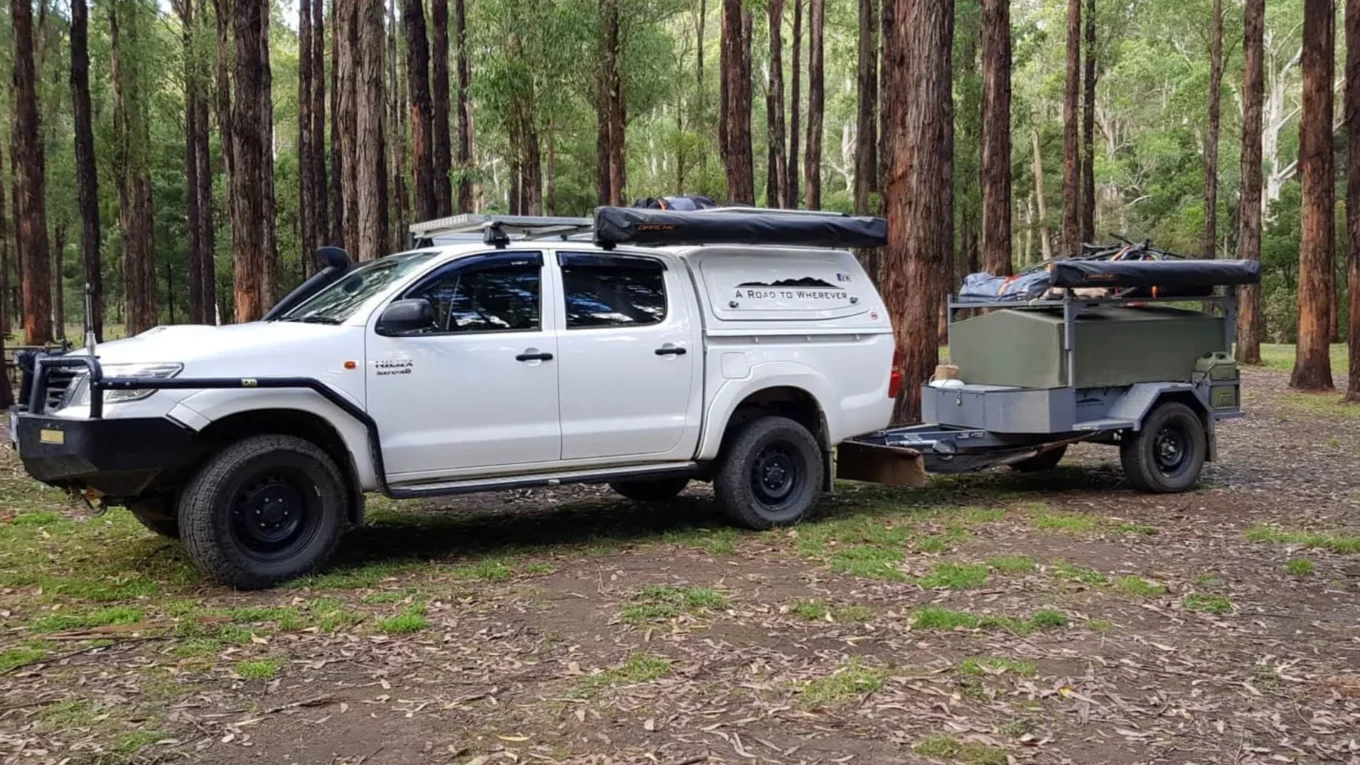
Can You Camp for Free on the Great Ocean Road?
So you want to pull up beside a windswept cliff, boil the billy as the Southern Ocean crashes below and nod off to the sound of the bush without handing over a cent? I get it. I’ve done it. But can you still camp for free along the Great Ocean Road in 2025? Well, yes and no — and it depends on how cheeky (or stealthy) you’re willing to be.
I’ve been camping this stretch of Victoria’s coast for over two decades. Back when the rules were a bit looser and the ranger checks were far less frequent, we had our share of glorious nights tucked behind dunes or in quiet forest laybys. These days? It’s trickier — but not impossible — if you know where (and how) to look.
This yarn unpacks the realities of free camping along the Great Ocean Road. We’ll cover:
- Legal vs. grey-area spots
- Tips to avoid fines and mozzie swarms
- Best low-cost alternatives (some under $10!)
- What you must pack (besides toilet paper)
Let’s get into it, boots and all.
Contents
What Counts as ‘Free Camping’?
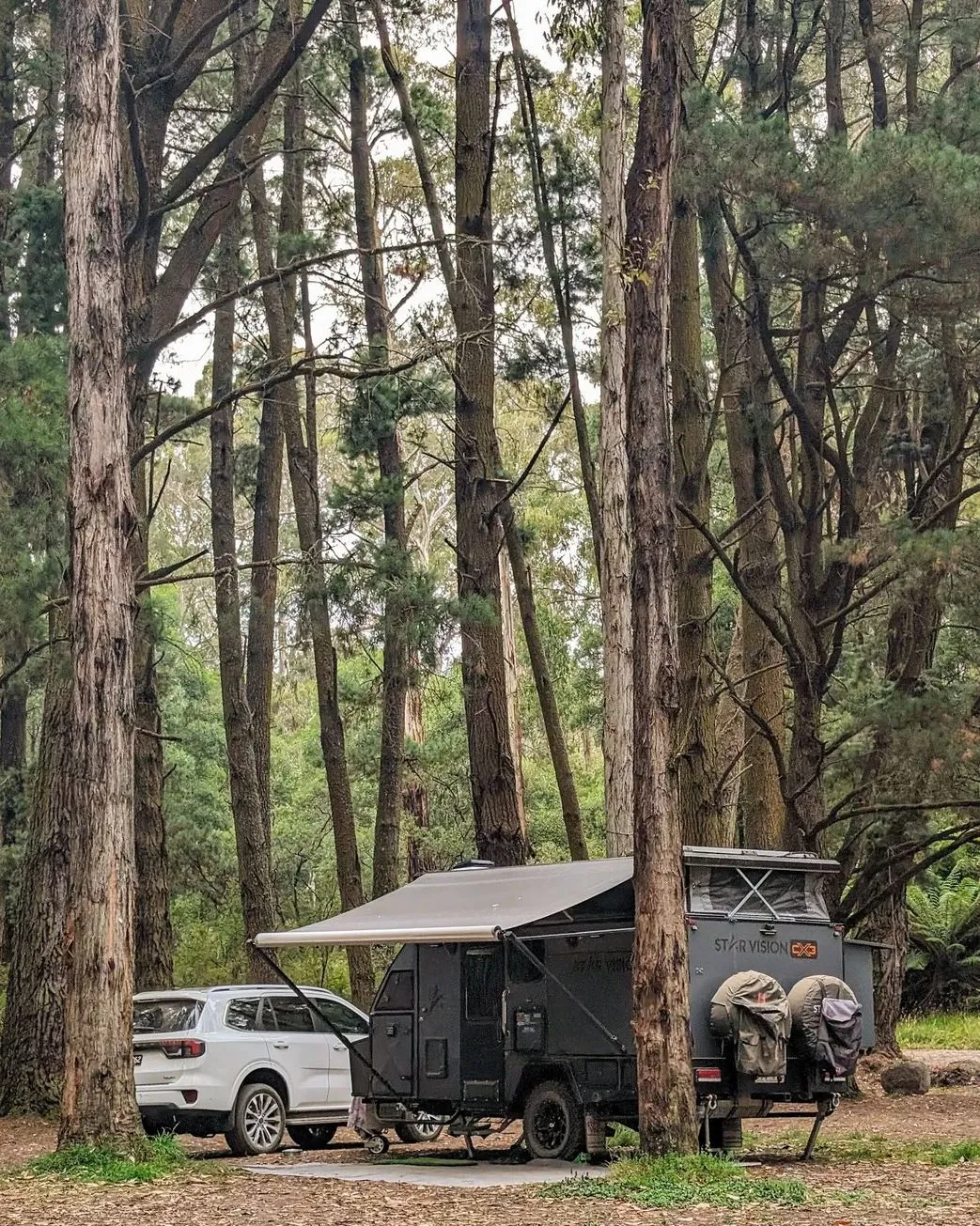
First, a bit of a reality check. “Free camping” doesn’t always mean no cost — sometimes it means no facilities, no bins, and no loos. Other times it means you’re not technically allowed, but plenty of folks do it anyway. And occasionally it’s a fully legal, designated site with zero fees (rare, but golden).
On the Great Ocean Road you’ll come across three types:
- Official free sites – Sanctioned by councils or Parks Victoria. Very few and often inland near national parks or bush settings.
- Unofficial stopovers – Roadside rest areas, old logging clearings, gravel bays. Legal? Not always. Common? Yep.
- Stealth camping – Think: parking in a coastal car park late and leaving early. Risky business if the ranger’s up early.
So while there are options, it’s not a free-for-all. Expect signs, restrictions and fellow travellers chasing the same cheap night.
Free & Budget-Friendly Spots
Here are some camping spots I’ve stayed at over the years that are either free, dirt cheap or worth the minimal coin:
1. Aire Crossing Campground (near Beech Forest)
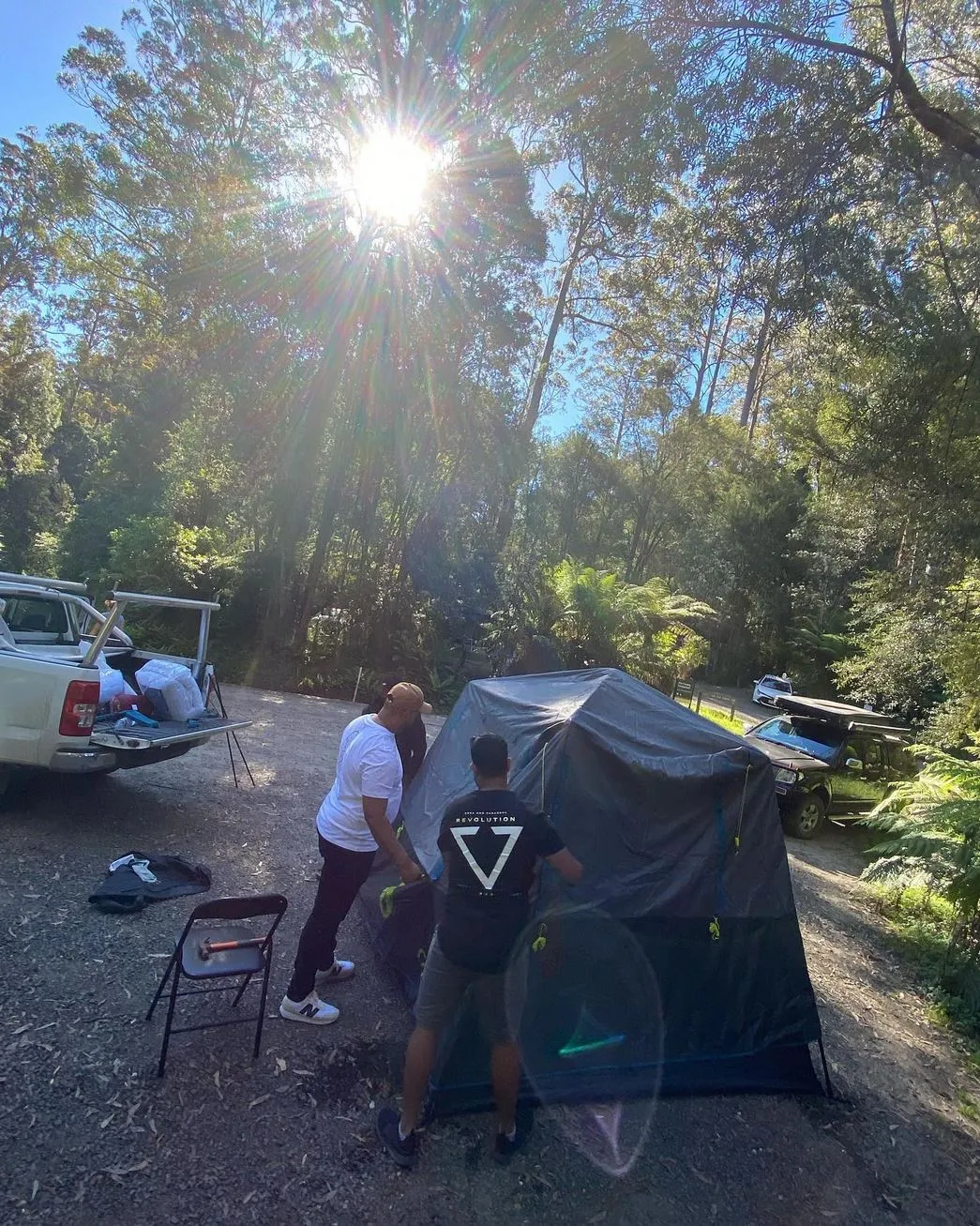
- 45 minutes inland from Apollo Bay
- Free
- Drop toilets, river access, peaceful as
- Great for camper trailers with basic amenities
- 4WD preferred in wet seasons due to limited access
2. Stevenson’s Falls Campground
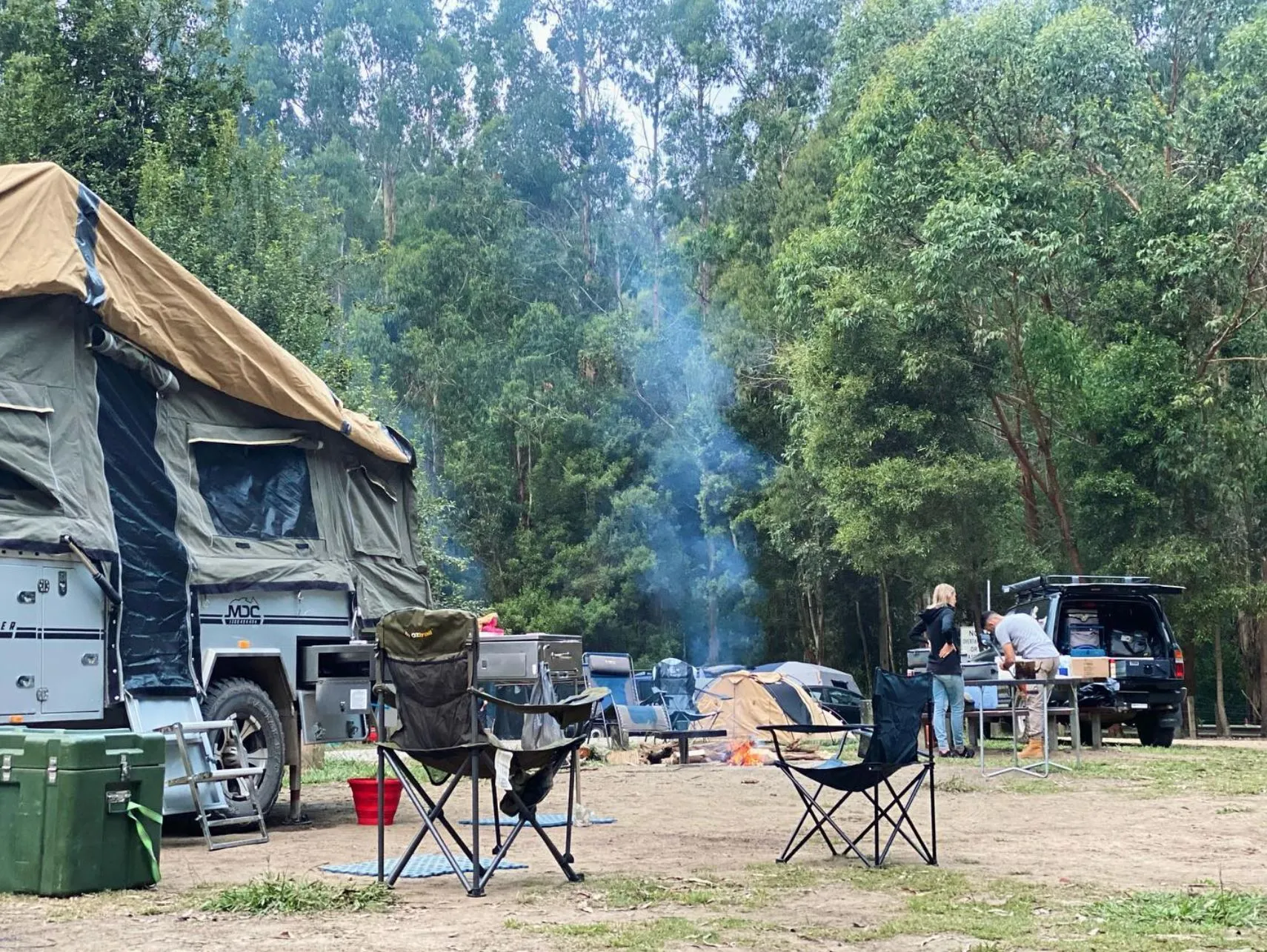
- Inland from Skenes Creek, in lush forest
- Free
- Picnic facilities, pit toilets, creek nearby
- Gorgeous location with nearby walking trails and wildlife encounters
3. Dandos Campground (Otways)
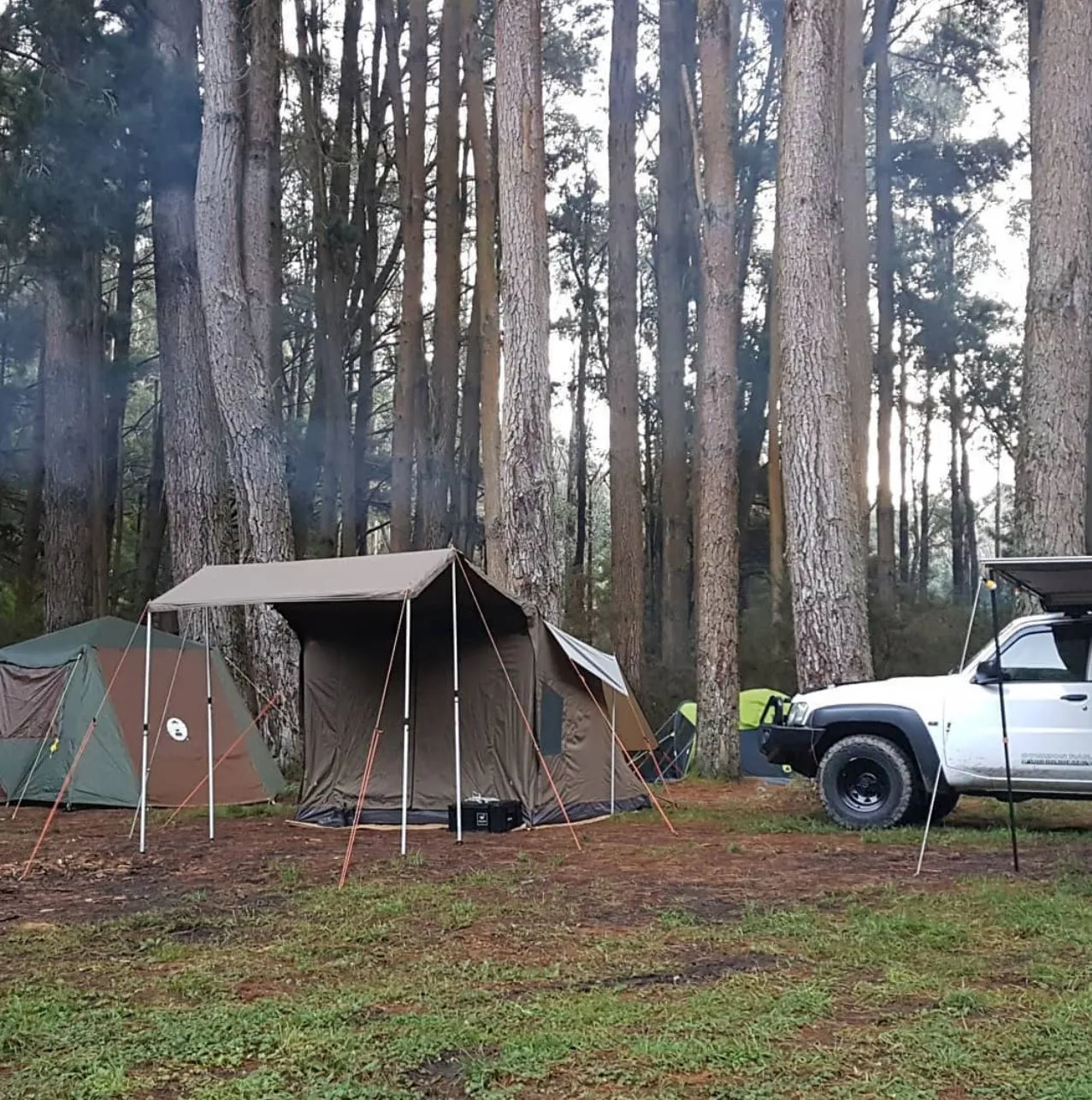
- 30km inland from coastal towns
- Free
- Natural environment with minimal facilities
- Great for camping in nature or a rustic camping experience
4. Timboon Recreation Reserve
- Gold coin donation or $10-ish per night
- Toilets, bins, BBQs
- Walk to local grocery stores and a distillery in this peaceful environment
5. Princetown Recreation Reserve
- Budget-friendly (around $10–$15)
- Near iconic landmarks like the Twelve Apostles
- Pit toilets, drinking water, and unpowered sites
- Friendly stopover with plenty of space
Pro tip: Inland means fewer crowds, fewer rangers, and fewer campervans packed like sardines during peak seasons. It’s also a chance to escape the hustle of a typical Great Ocean Road tours from Melbourne and find more authentic camping experiences.
Can You Camp Right on the Coast?
In short: not really—not legally, anyway.
Most coastal land along the Great Ocean Road is either:
- National park (with camping regulations and designated camping grounds only)
- Crown land with restrictions
- Privately owned or part of holiday parks and caravan campsites
That said, you can still get close with:
- Caravan parks – Not free, but some have basic sites or unpowered sites under $30. A convenient option with essential amenities.
- Council-run camping locations – Cheaper than big holiday parks, often $10–20 with basic facilities
- Day use areas – Sleep in your vehicle overnight (illegally), leave early — it’s your call, but there’s a riskIf you’re thinking of sleeping in a beach car park or coastal picnic spot, remember:
- Many have “no overnight stays” signs
- Rangers do patrol, especially during peak season
- Fines are $150–$300+ per person
Believe me, it’s not worth the sleep.
My Favourite Sneaky Spots
Look, I’m not here to encourage illegal camping — but I know what people actually do. If you’re feeling bold (and respectful), these secluded spots have been known to host a van or tent overnight:
- Forrest – Yaugher Trailhead: Camping options for mountain bikers, quiet and central location
- Old logging roads off Turtons Track: Natural sites with limited facilities but peaceful vibes
- Rest stops near Lavers Hill: Use for one-night stays only, and be discreet
Always arrive late, leave early, don’t set up like it’s a family holiday, and for the love of native vegetation — keep your campsite clean.
What to Pack for Free Camping
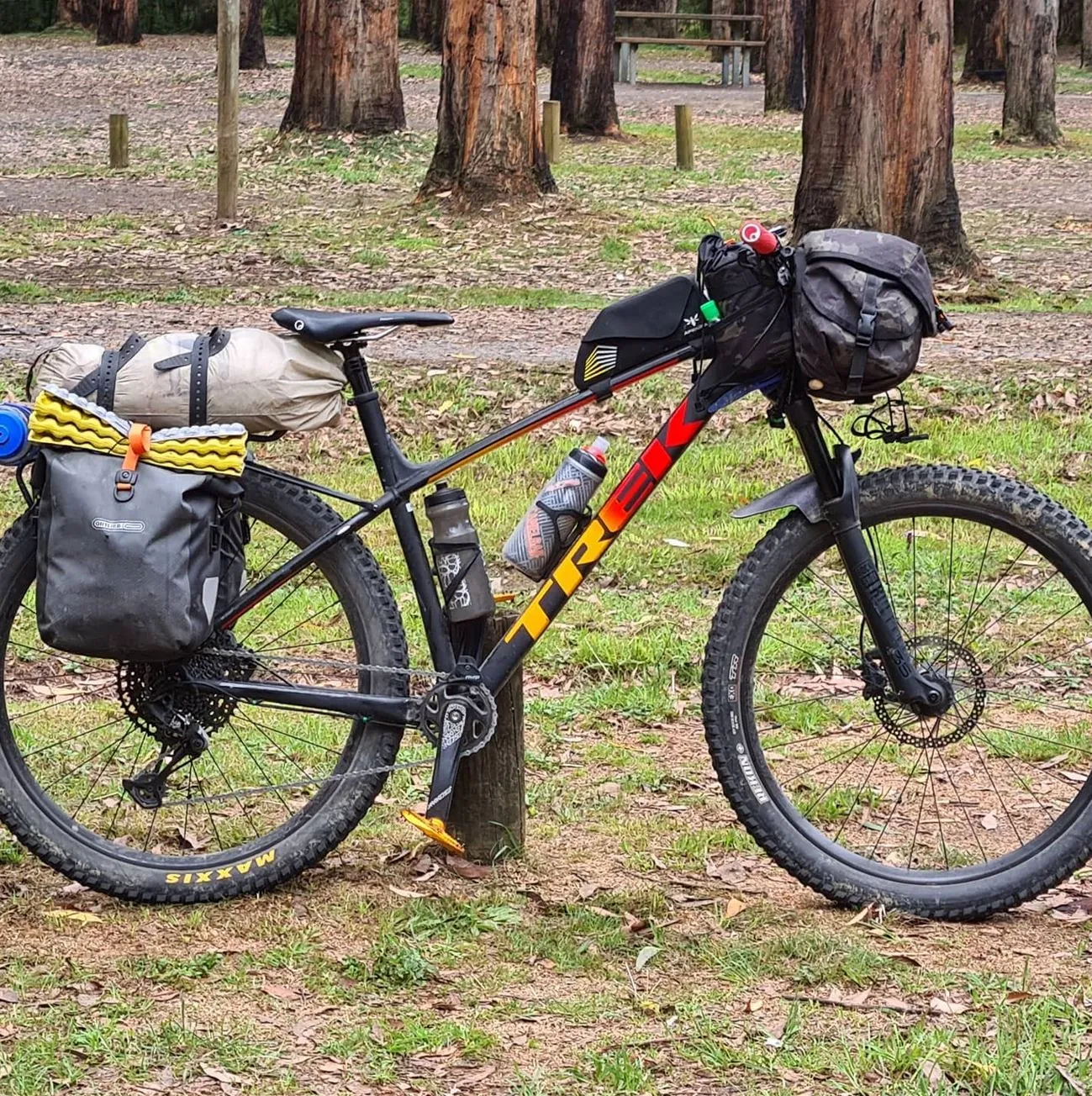
Here’s what you’ll want on hand if you’re dodging powered sites or chasing that rustic camping experience:
- Headlamp or extra torch – Mid-afternoon setups turn into dusk quickly
- Toilet paper – Always missing when you need it
- Water – Drinking water is not always available; carry 10l/day per person
- Insect repellent – Mozzies love the coast for activities too
- Trowel – Pit toilet not cutting it? Dig responsibly
- Firewood – Check restrictions during dry seasons
- Charged power bank – Online resources are invaluable tools on the road
- Trash bags – Basic rule of thumb: leave no trace
- Toilet on board (if van camping) – Makes overnight stealth easier
And bring some eco-friendly products while you’re at it — makes the environment safe for native wildlife and colourful birds.
Local Camping Etiquette
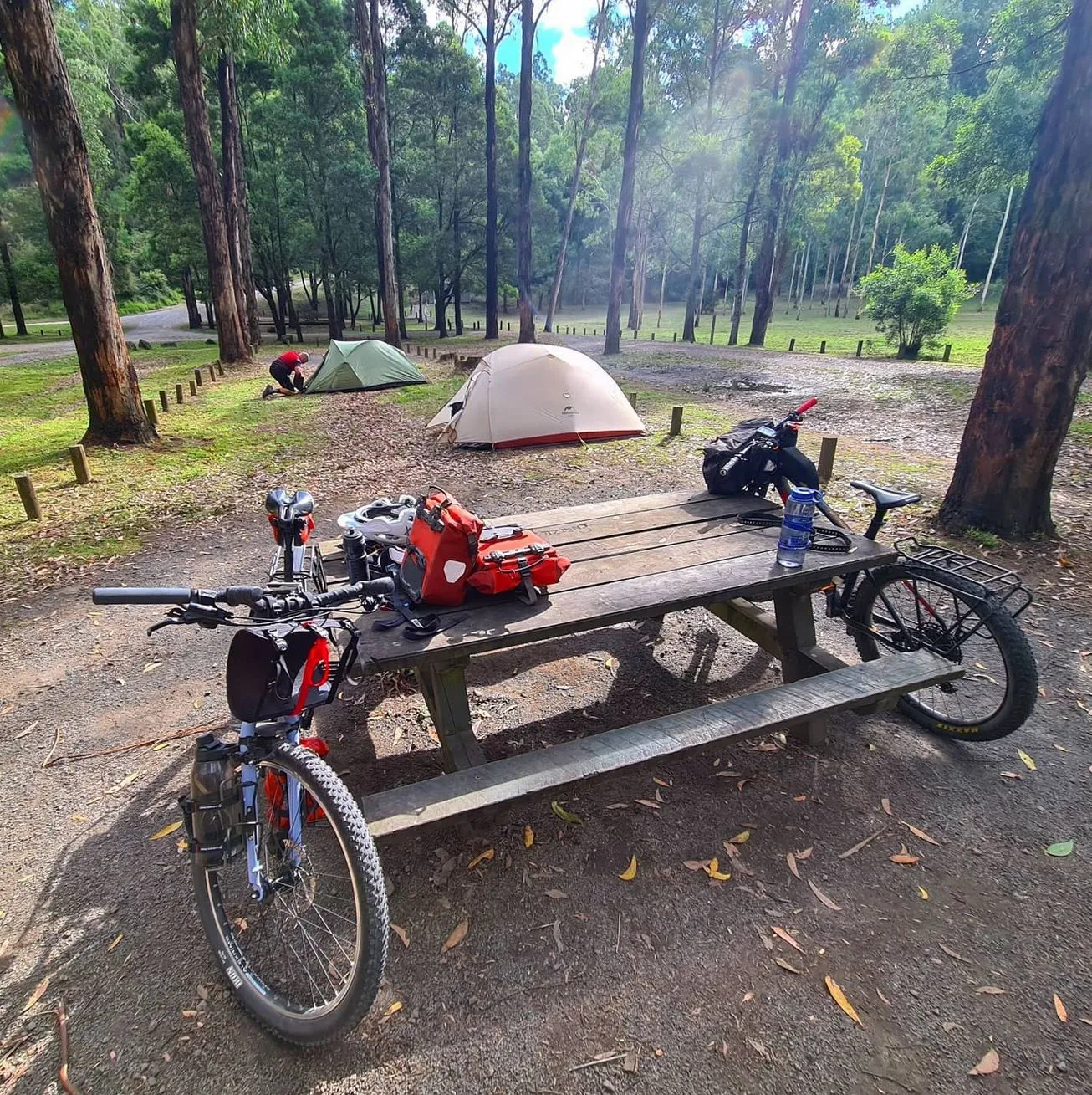
Nothing ruins beautiful spots faster than a crowd treating them like a music festival. Here’s how to be a top-notch future camper:
- Respect camping regulations and signs
- Use designated pits or pack it out
- Don’t dump grey water, noodles, or tins
- Share space fairly in small camping grounds
- Keep dogs controlled and away from native wildlife
- Avoid blaring music in the peaceful environment
Freedom camping relies on everyone doing the right thing — it’s the only way these incredible spots stay open.
Seasonal Considerations
- Summer (Dec–Feb): Peak season for beach lovers and the bustle of towns. Packed campsites and limited access to a popular spot
- Autumn (Mar–May): Great weather and fewer crowds. Ideal for coastal drives at a leisurely pace* Winter (Jun–Aug): Cold, but quiet. Plan and pack warm
- Spring (Sep–Nov): Wildflowers, native veg in bloom, wildlife active
- Bushfire season (Nov–Apr): Check VicEmergency. Fires are banned in many areas
Most people start their Great Ocean Road trip from Melbourne and head west through the coastal towns and camping spots.
Final Thoughts
Absolutely. There’s no better camping trip than the Great Ocean Road. It’s the ultimate road trip through seaside towns, forests and views. You don’t need to break the bank to enjoy beautiful scenery and coastal views — just a bit of planning and the right gear.
There are plenty of options, from caravan parks with loads of facilities to remote natural sites with minimal facilities. There’s a camping experience for every traveller.
Got a spot I missed or a sneaky tip for freedom camping? Comment below — future campers will thank you.
FAQ
Is freedom camping allowed along the Great Ocean Road?
Technically no, not on the actual coastal strip. But there are camping spots inland near national parks and forest scenery with free or low cost access.
What’s the fine for illegal camping?
Varies by council but expect $150 to over $300 per person.
Are there any free campsites near the coast?
A couple of inland sites like Stevensons Falls and Dandos Campground are close-ish, scenic and free — great for camping with forest trails and water.
Can I sleep in my car overnight at a beach carpark?
Not legally. Many carparks have “no overnight stays” signs and are patrolled during peak season.
What’s the best low-cost camping near the Twelve Apostles?
Try Princetown Recreation Reserve — a popular spot with basic amenities, unpowered sites and close to the icons.