Is Driving in Kakadu at Night Safe?
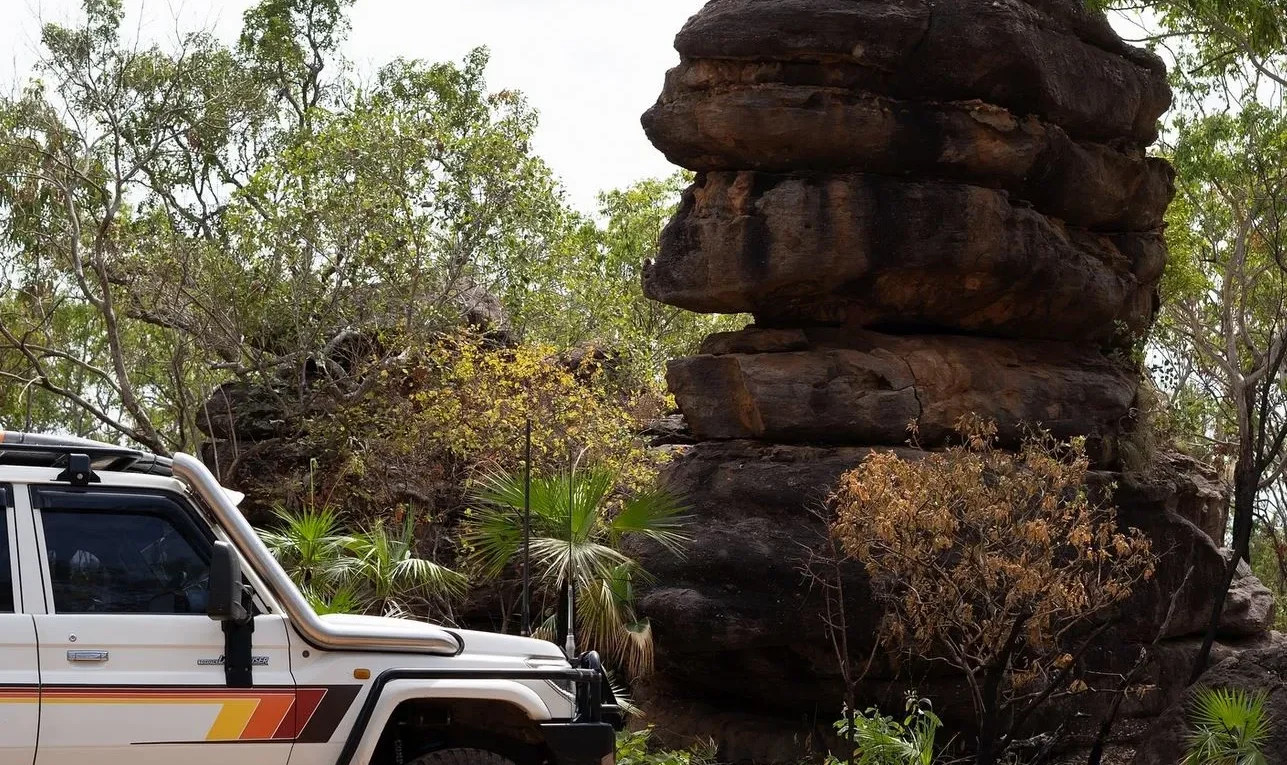
Driving through Kakadu is an amazing experience of beauty, culture and natural wonders. By day it’s ancient rock formations, swimming holes, scenic flights and famous attractions. But once the sun goes down the park changes and so do the risks. If you’re thinking of driving at night through Kakadu it’s essential to know the road conditions, wildlife activity and practical safety tips to protect yourself, others and the environment.
Contents
Travel Safety Tip
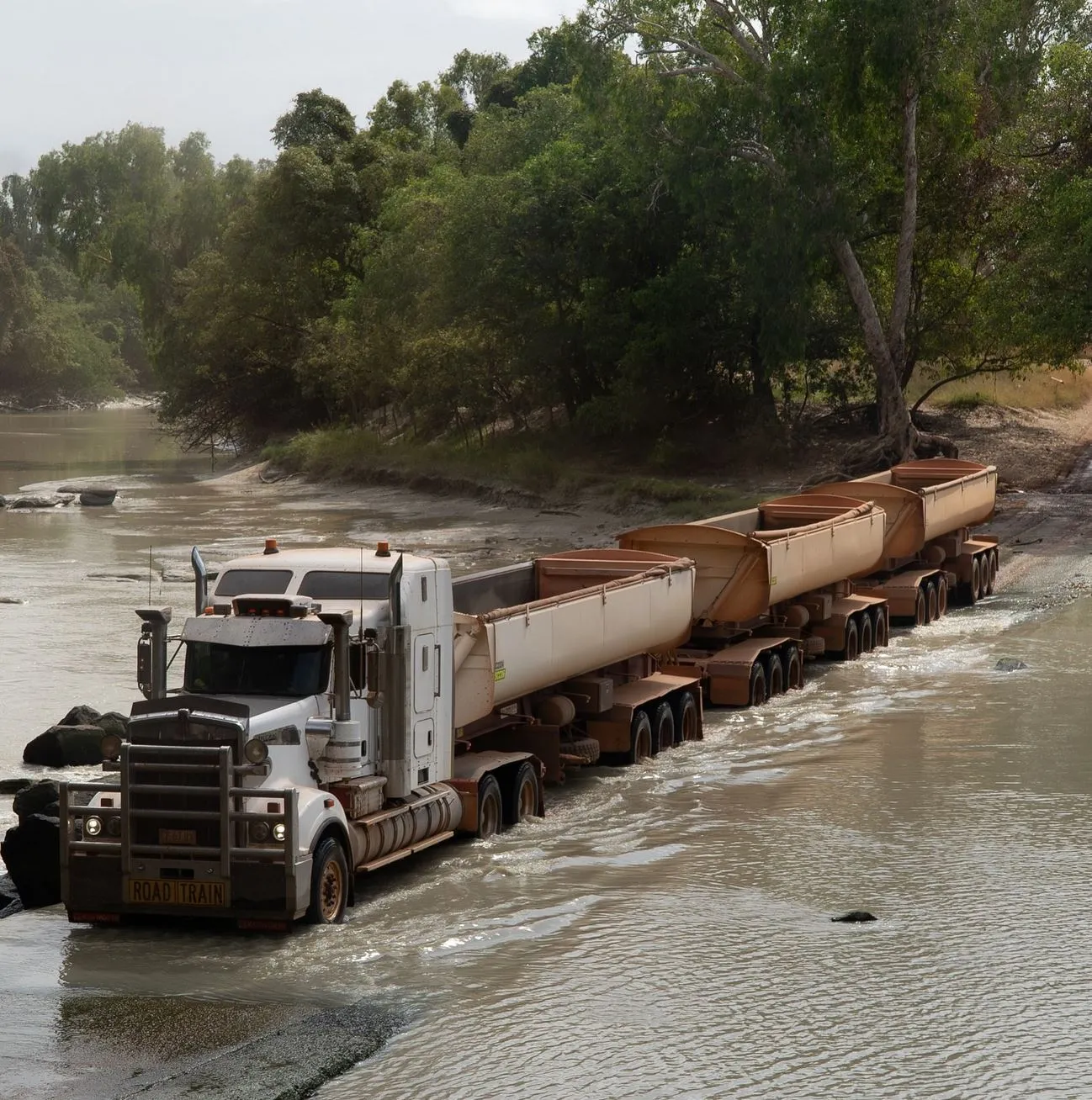
Kakadu is true crocodile country and the challenges increase dramatically after dark. During the dry season, the roads are generally more stable and open; in the wet season, the roads are closed, creek crossings have water, and hazards are unpredictable. Both sealed and unsealed roads can have damage that’s hard to see in the dark, especially if you’re driving on uneven terrain or gravel roads.
The park is home to a wide range of nocturnal wildlife including wallabies, dingos and saltwater crocodiles all of which are a risk to road users. Night driving can result in animal encounters and vehicle damage especially near freshwater billabongs, natural pools and access roads that are animal crossing hotspots. Animal symbols and warning signs may be posted but are easy to miss in the dark.
Road Conditions and Remote Dangers
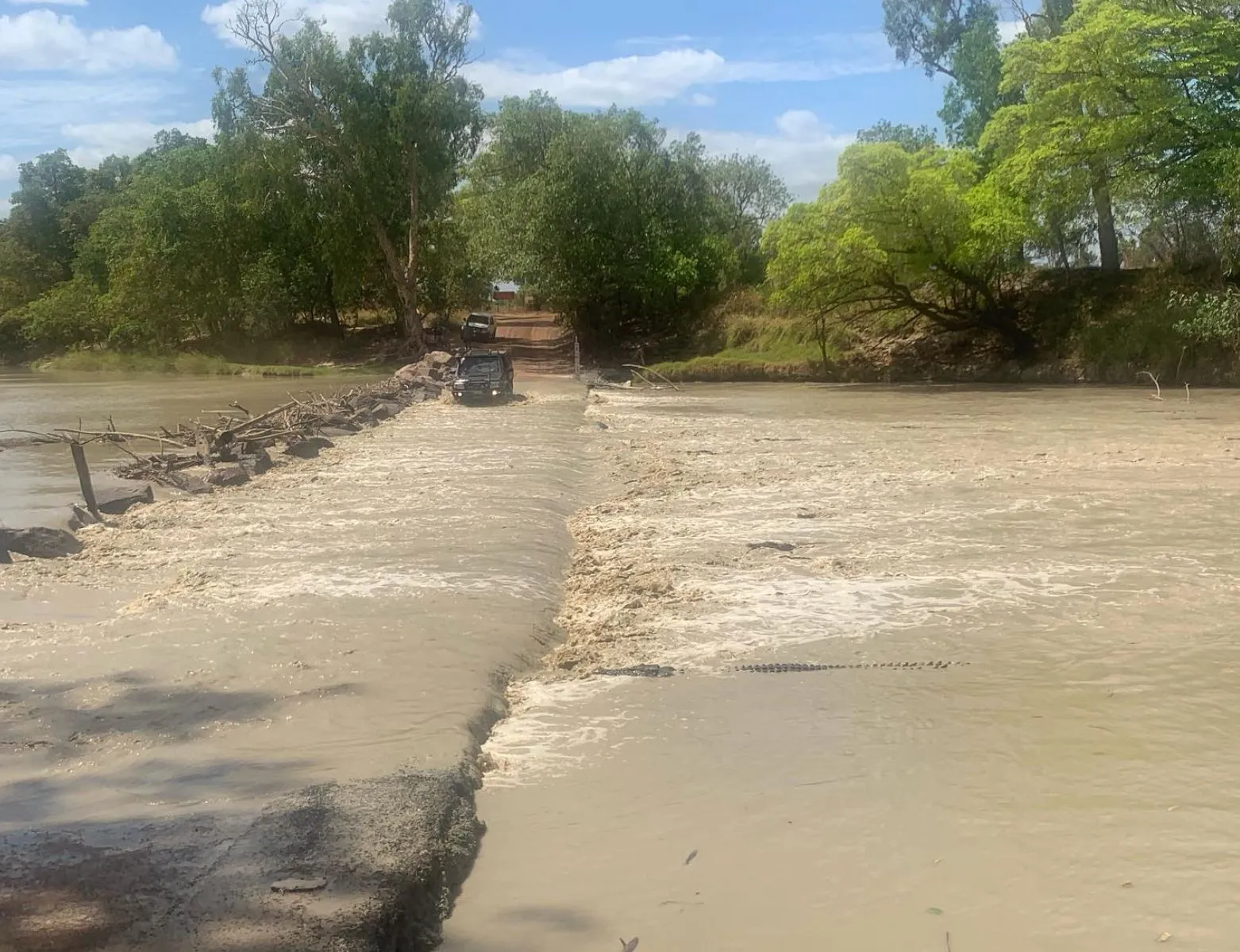
Even in the dry season the road conditions can change quickly. Potholes, washed-out tracks and blind spots are common on unsealed roads. The wet season makes it worse with heavy rain making some roads impassable especially if your vehicle isn’t 4wd. If you’re using a hire car company or hire car make sure to check which routes are allowed and safe under your rental agreement.
Night driving reduces your reaction time and your ability to see hazards like cliff edges, fallen trees or flooded crossings. There’s minimal signage and zero street lighting even on sealed roads. You’ll often drive for hours without essential services like fuel stations, service stations or medical centres. Bring extra fuel, iced water, insect repellent and bush tucker snacks as help may be hours away.
Cultural and Environmental Considerations
Kakadu is culturally significant to the traditional owners, the Aboriginal people and Indigenous communities who have lived here for thousands of years. Driving at night not only puts you at risk but also disturbs nocturnal wildlife and invades sacred rock art sites and ancient rock formations. Responsible travel helps preserve the magic of the park and supports environmental conservation.
If you want an educational and safe experience consider day Kakadu tours with an Indigenous guide. These tours allow you to visit rock art sites, clean fish using traditional methods, learn about bush tucker and the land’s incredible biodiversity. Ubirr and Nourlangie are wheelchair accessible and have stunning views during the day.
Many people combine Kakadu with nearby Litchfield National Park or Nitmiluk Gorge, each with their own outdoor activities and scenery. One of the best ways to see the region’s highlights is on a 4 day Kakadu tours from Darwin which gives you guided access to all the best spots without having to drive at night. Companies like Autopia Tours offer guided tours so you don’t miss the park’s top attractions during the day.
Common Driving Hazards Comparison Table
| Hazard | Description | Risk Level at Night |
|---|---|---|
| Wildlife Encounters | Nocturnal animals crossing roads | High |
| Road Surface Visibility | Unsealed, gravel, or damaged roads | High |
| Lack of Lighting | No street lights on any roads | Very High |
| Closed or Washed-Out Roads | More likely during the wet season | High |
| Limited Emergency Access | Few service stations or medical centres open after hours | High |
This table shows the top nighttime driving hazards in Kakadu and why we recommend daytime travel.
If You Must Drive at Night
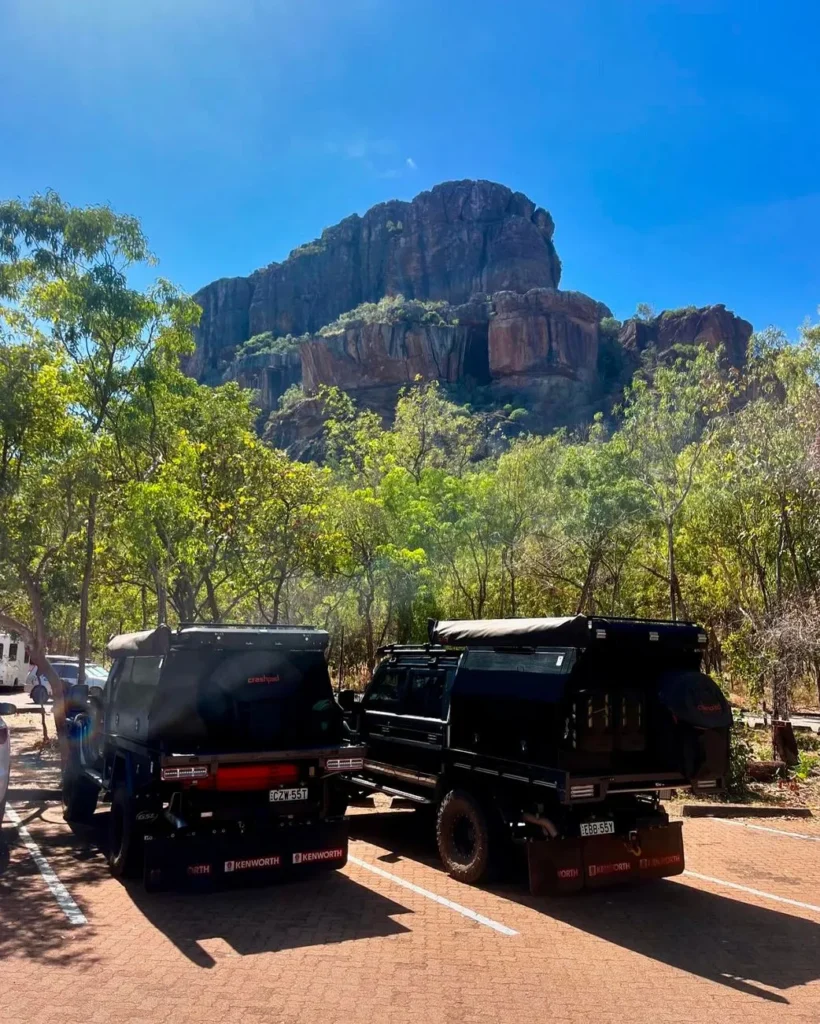
If you must drive at night follow these:
- Avoid unsealed roads if possible.
- Drive slowly and be aware of road conditions and wildlife.
- Use high beams to detect animals early and give yourself time to react.
- Look out for warning signs and Animal symbols.
- Stick to main sealed roads and avoid known animal crossing hot spots.
- Carry a sat phone, extra fuel, insect repellent, iced water and emergency supplies.
- Wear loose clothing and pack for temperature fluctuations.
- Plan rest stops at designated campsites or activity hubs.
Important Facilities and Services
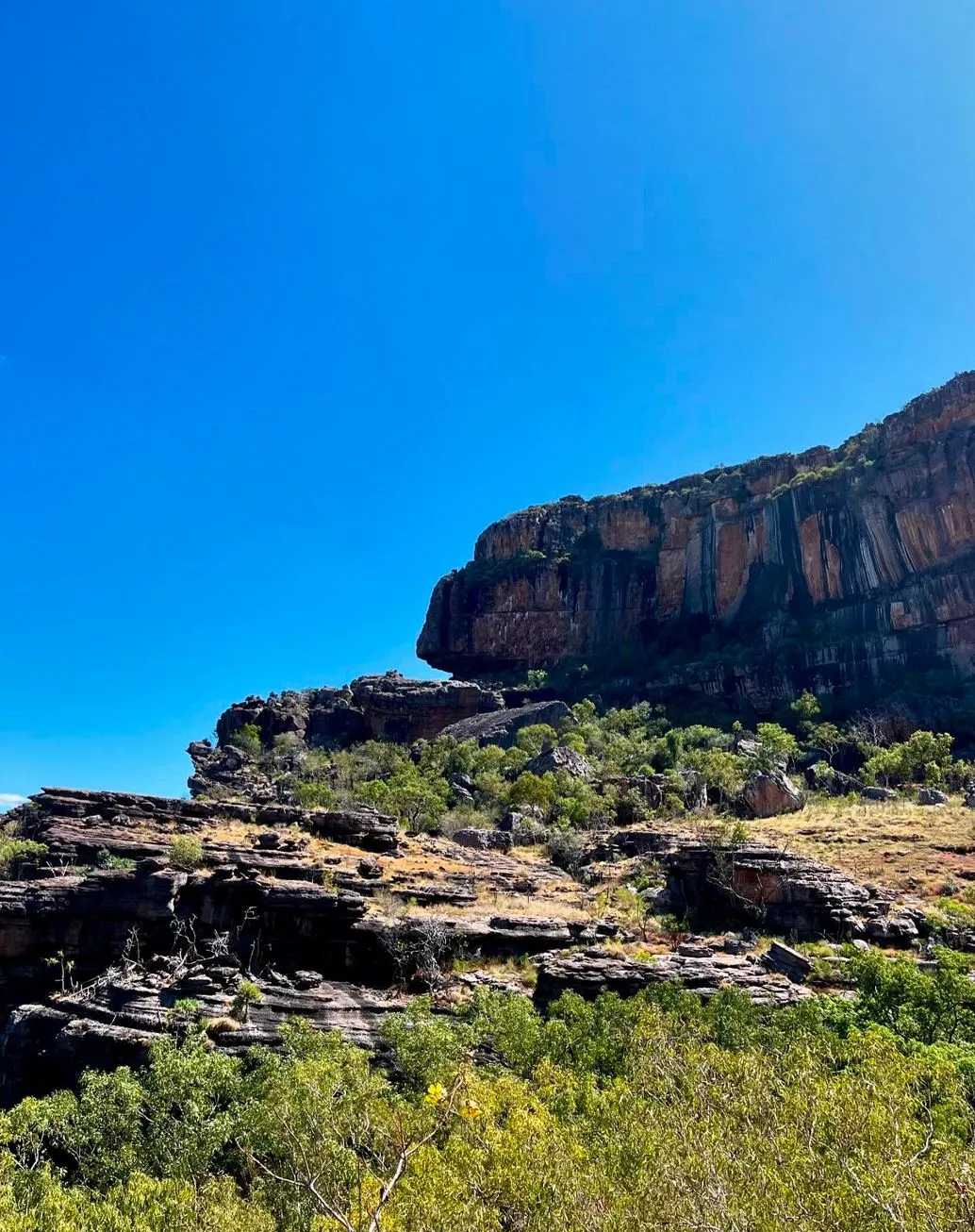
Kakadu is big and remote. Some fuel stations and service stations close early evening and medical centre access may be limited. Prepare for emergencies by reading the road rules, knowing your route and telling someone of your itinerary. If you’re in a hire car, check that the vehicle is suitable for gravel roads and off-road conditions.
Stay informed of weather changes especially during the wet season when roads can close quickly. Even in the dry season don’t underestimate the risk of a sudden storm or temperature drop after dark. In these conditions you may find washed-out sections or flooded creek crossings without warning.
Make the Most of the Day
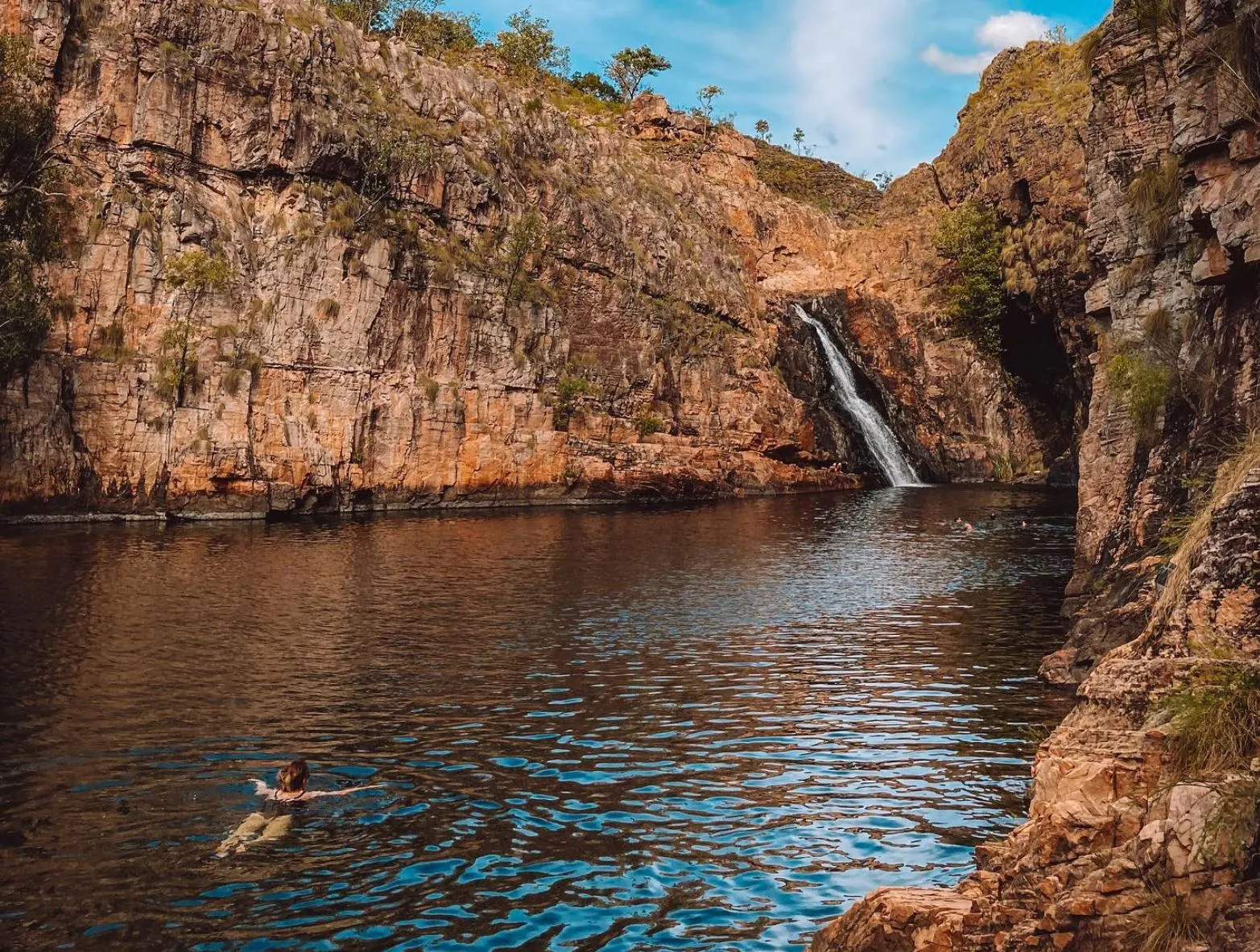
To experience Kakadu’s natural and cultural wonders plan your visits and day transitions around sunrise and sunset. Go for an early morning hike to hot spots like Maguk or Gunlom or finish your day with a sunset cruise that offers stunning views and safe wildlife spotting. These experiences capture the amazing colours and beauty of Kakadu without the hazards of night driving.
Whether you’re visiting Aboriginal rock art, swimming in a natural pool or just watching the landscape change from day to night, driving during the day allows you to have a safe, immersive and magical experience.
FAQ
Can I drive in Kakadu at night?
Yes, but not recommended due to wildlife, closed roads and no lighting.
What are the dangers of driving in Kakadu at night?
Saltwater crocs near waterways, nocturnal animals on the road, unsealed or gravel roads, no visibility and unpredictable road conditions.
Are fuel stations open late?
Most close early. Fill up during the day and carry extra fuel in remote areas.
Can I camp anywhere if I get tired of driving?
No. Use designated camping sites or activity hubs. Roadside camping is not safe and not permitted in many areas.
What do I do if I break down at night?
Stay with your vehicle, conserve your phone battery and use your satellite phone or emergency beacon. Wait until daylight if possible before attempting any unfamiliar trail or unsealed access road.