What Plants Live in Kakadu National Park?
Kakadu National Park in Australia’s Northern Territory is a UNESCO World Heritage site famous for its biodiversity and cultural heritage. Spanning almost 20,000 square kilometres the park showcases a stunning array of plants across its wetlands, woodlands, stone country and monsoon forests. Shaped by climate and rainfall Kakadu has a wide range of habitats that support abundant wildlife including endemic animals and plants. A 5 day Kakadu tour is often the best way to see these ecosystems.
Contents
Wetland Plants
The wetlands of Kakadu come alive during the wet season with a dynamic ground layer of vegetation and teem with bird life and freshwater crocodiles. Dominant plant species include:
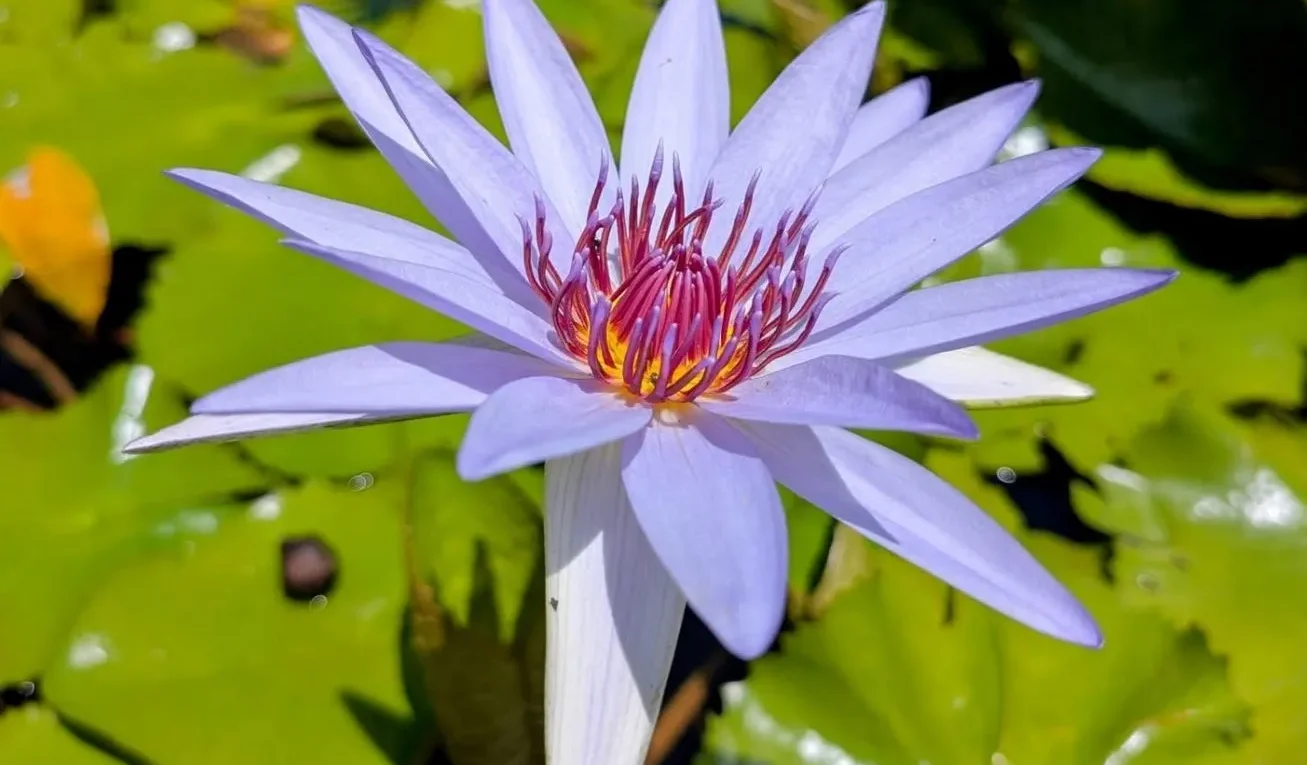
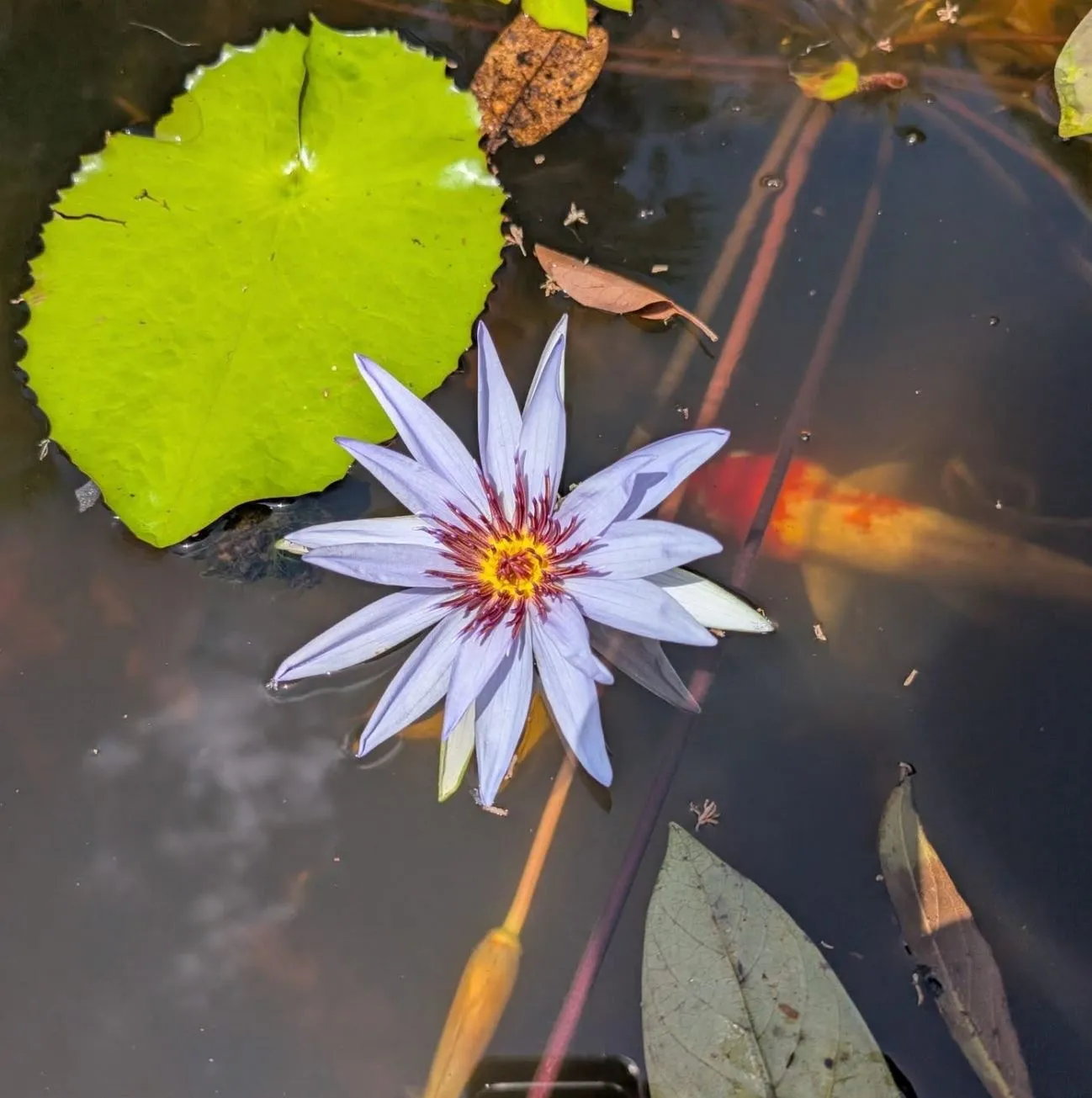
- Water Lilies (Nymphaea spp.): Their colourful flowers carpet the billabongs and floodplains and attract bird life and provide a food source for aquatic life.
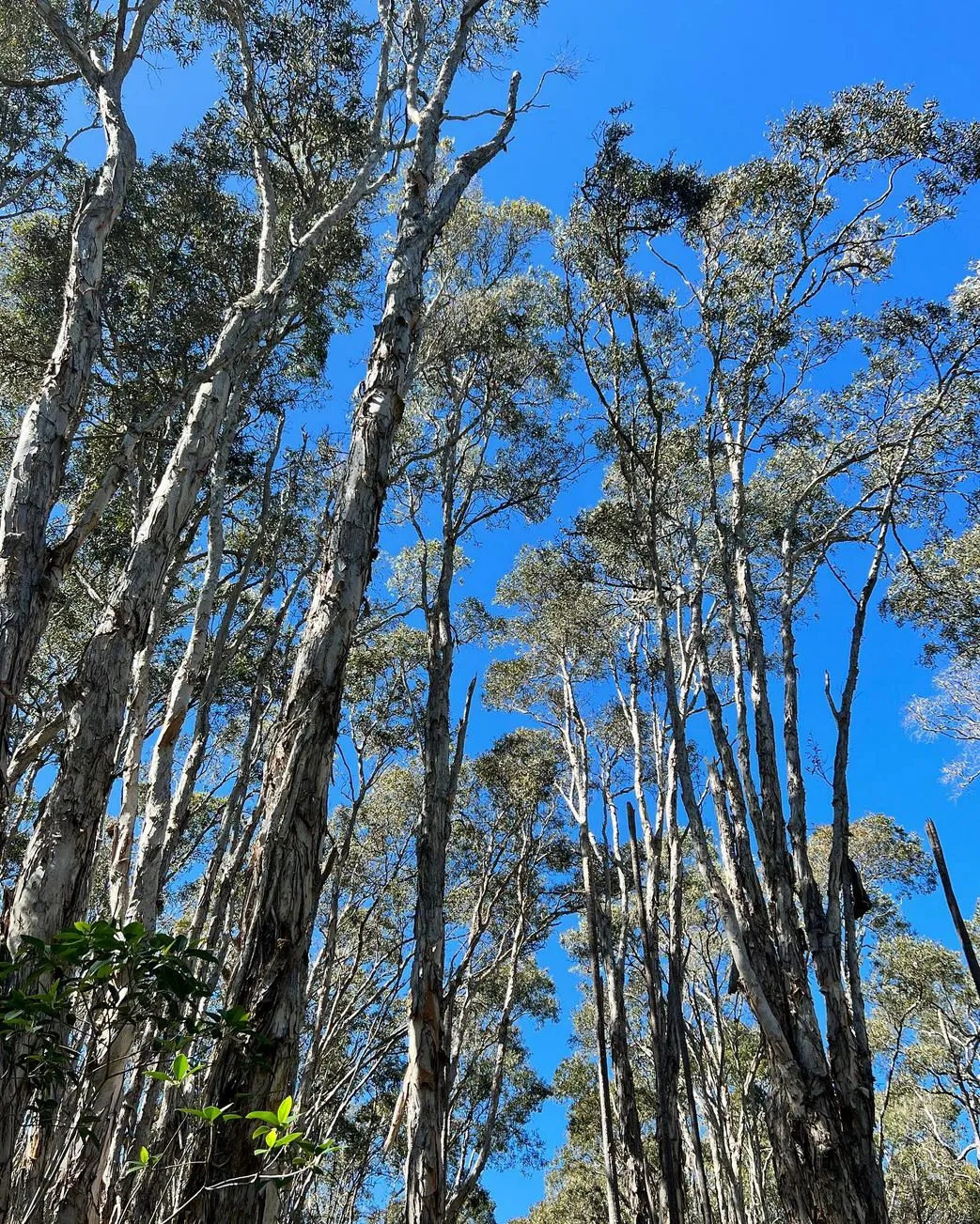
- Paperbark Trees (Melaleuca spp.): These iconic trees along waterways create microhabitats and shelter for a variety of animal species.
- Spike Rushes and Sedges: Forming dense mats these grasses stabilise the wetlands, provide an abundance of food and support the nesting of endemic animals.
In the dry season wetland plants conserve water and rely on deep root systems to regulate body temperature.
Woodland and Savannah Plants


The flat areas of Kakadu are open woodland and savannah ecosystems with:
- Eucalyptus Trees: Over 50 species such as Darwin woollybutt and Darwin stringybark dominate these habitats.
- Pandanus (Pandanus spiralis): These culturally significant plants are used by the traditional owners for weaving and food.
- Cycads (Cycas armstrongii): Ancient endemic plants that can withstand extreme heat and fire and thrive in the driest of months.
On a 5-day Kakadu tour you will see the dramatic contrast between the dense wetlands and the dry open woodlands, each with their own plant communities to explore.
Comparison of Plant Types Across Kakadu
| Habitat Type | Key Plant Species | Adaptations |
|---|---|---|
| Wetlands | Water Lilies, Paperbark Trees | Flood tolerance, aquatic growth |
| Woodlands/Savannahs | Eucalyptus Trees, Pandanus, Cycads | Fire resistance, deep root systems |
| Stone Country | Allosyncarpia ternata, Rock Figs | Survival in rocky crevices, drought tolerance |
| Monsoon Rainforests | Leichhardt Trees, Native Hibiscus | Dense canopy formation, moisture retention |
Here is the rewritten text:
Stone Country
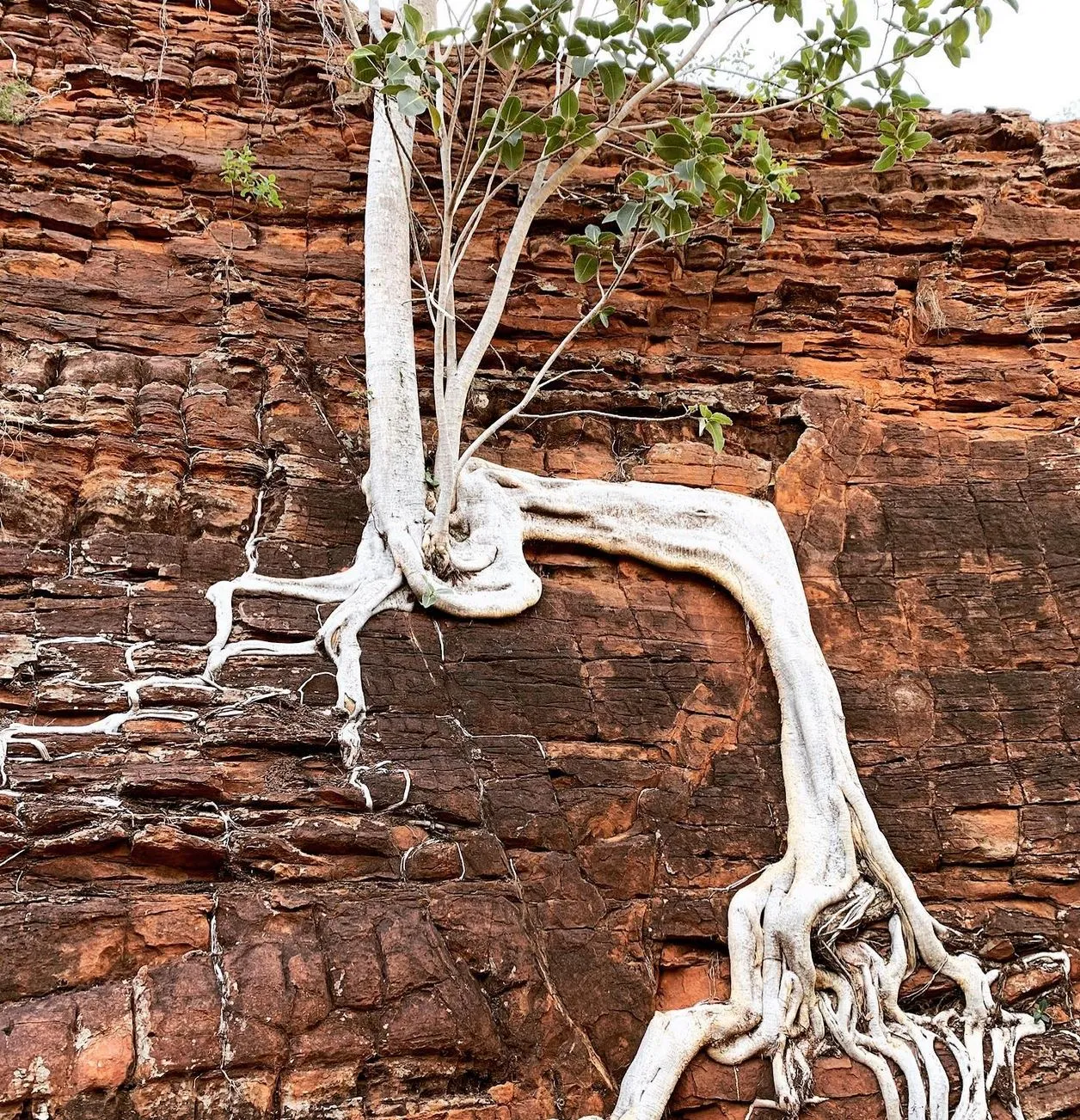
The rocky outcrops and rock platforms of the stone country support these plant communities:
- Allosyncarpia ternata: A rare rainforest tree that grows in the upper reaches of the escarpment, providing shelter for animal life.
- Rock Figs (Ficus platypoda): These hardy trees grow in rocky crevices with minimal soil.
- Sandstone Grevilleas: Bright lime flowers attract birds and are a delight to spot for day walkers in tree-shaded cliffs.
Visitors often combine their Kakadu trip with nearby Litchfield National Park, Pine Creek or the Tiwi Islands to experience more of Australia’s unique ecosystems.
Monsoon Rainforest Plants
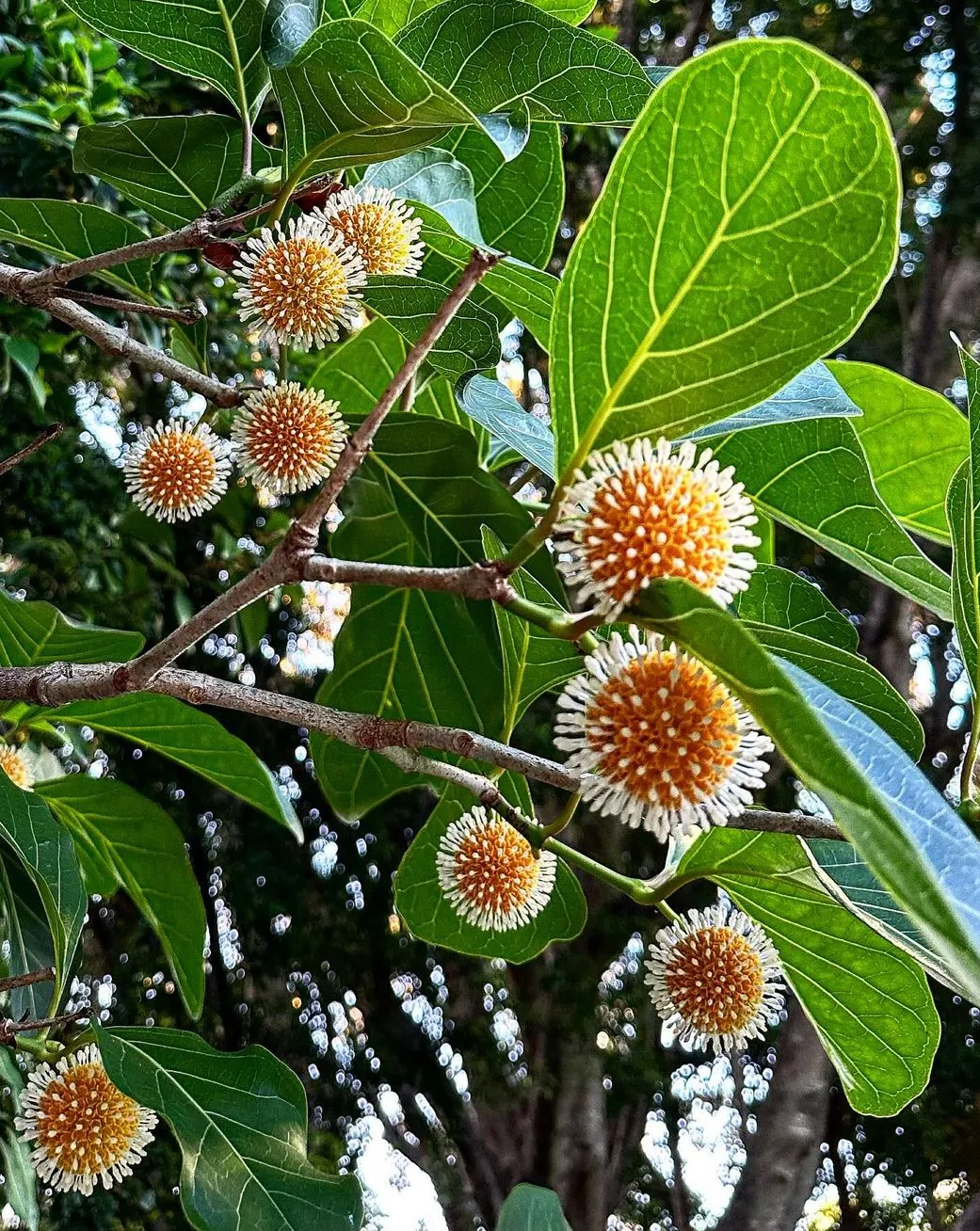
Monsoon rainforests may be small in area but are biodiversity hotspots in Kakadu’s cultural landscape. These forests are lush refuges in the wet season and feature:
- Leichhardt Trees (Nauclea orientalis): Large spherical fruits that are food for bats and nocturnal animals at night.
- Native Hibiscus (Hibiscus tiliaceus): Bright yellow flowers in the “browser window” of any traveller navigating these shady enclaves.
- Mango-like Wild Trees: Native fruits from these trees are a traditional food source for the Aboriginal people.
Wildlife Tours lets you explore these habitats, spot endemic species and learn about the native plants that are crucial to the ecosystem.
Plants
Plants are part of Kakadu’s DNA. The Bininj/Mungguy people have used native plants for thousands of years for food, medicine and tools. Many sacred sites are tied to specific plant species, reflecting a deep spiritual connection. This relationship between flora and culture is the backbone of Kakadu’s cultural heritage.
Environmental Threats
Invasive species like mission grass and mimosa pigra are a serious threat to Kakadu’s native plant communities. They compete with native flora, reduce food for native animals and threaten sacred cultural sites. We need to address these threats for the future development and conservation of this unique environment.
Adapting to Extremes
Kakadu’s plants have developed incredible adaptations to survive the extremes. From storing water in the wet season to deep roots and fire-resistant bark that regulates body temperature in the dry season, Kakadu’s flora is amazing.
Whether you’re on a 5-day Kakadu tour or self-driving, every part of the park is a window into the timeless relationship between plant life, animal species and cultural heritage.
Exploring Kakadu is more than just scenic views; it’s an immersion into a living museum of plant and animal life, shaped by seasonal rhythms, cultural traditions and millennia of adaptation. Whether standing on rocky outcrops looking out over the savannah or wading through wetlands teeming with wildlife, every step reveals the timeless connection between people, plants and place.
FAQ
What are the most common plants in Kakadu?
Eucalyptus, pandanus, water lilies and paperbark trees are everywhere in the park.
Are there any endangered plants in Kakadu?
Yes, Allosyncarpia ternata and other endemic species are vulnerable due to limited habitat in rocky outcrops and stone country.
When is the best time to see Kakadu’s plants in bloom?
Late wet season (March to May) is the best time to see flowers, lime blooms and big leaves.
Can you find edible plants in Kakadu?
Yes, bush plums and yams are traditional food sources for the Aboriginal people.
How do Kakadu’s plants cope with the environment?
Kakadu’s plants have adapted to extreme heat, seasonal flooding and fire. They have deep roots, fire resistance, water storage and can regulate their body temperature.